“Kana! Kana!” (Ka-NAH! Ka-NAH!)* This is a common nickname that Filipino children often call females who look “American” to them. I was actually Canadian!
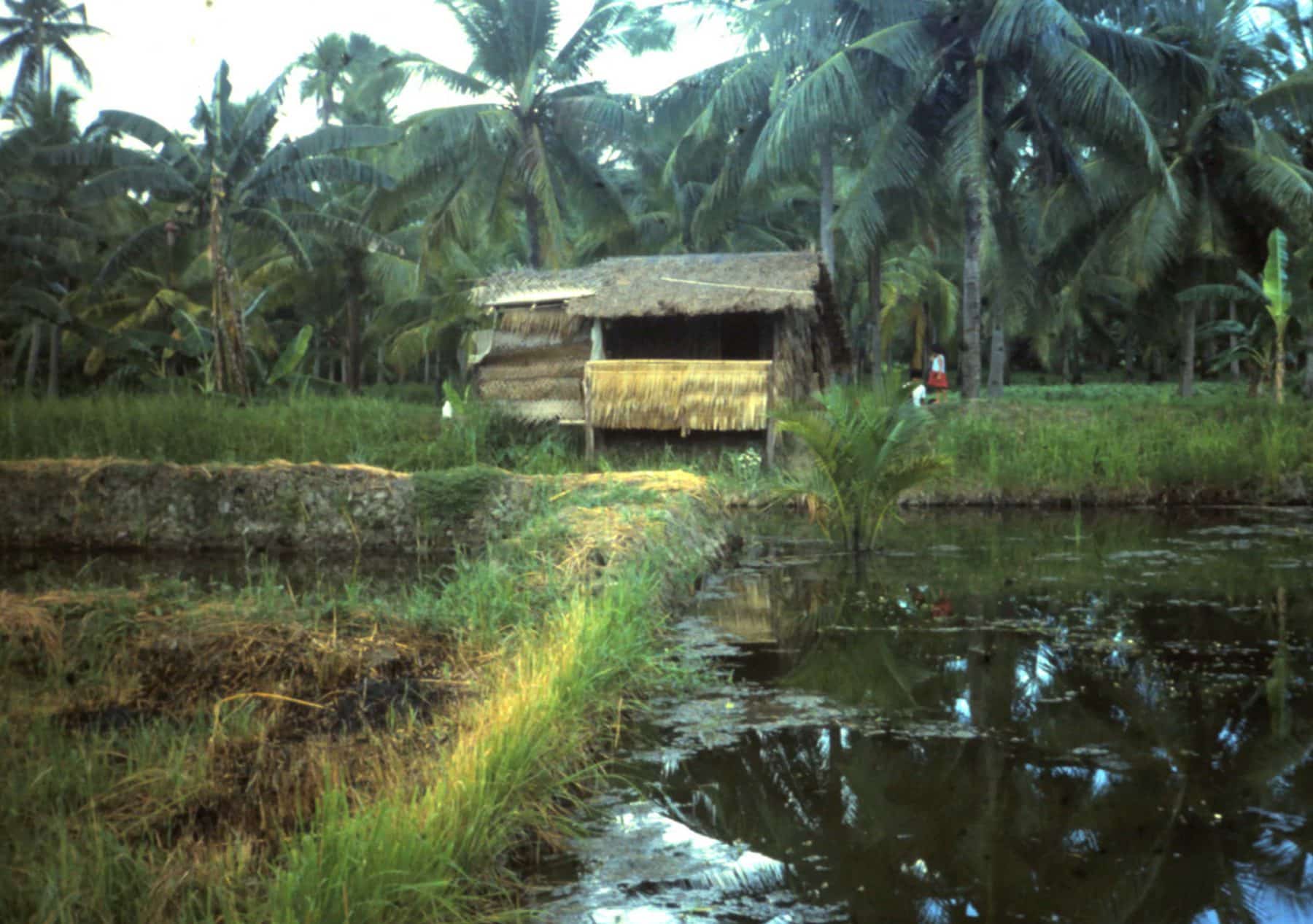
Perspiration trickled down my back as I trudged down the hot dusty road. It was just an ordinary day in my life as a church planting missionary on the rural island of Mindoro. Our team lived in a small town hemmed in on all sides by lush green rice paddies. On this particular day, the children’s endearing greeting reminded me once again that I was still a foreigner. But how I longed to simply “fit in” and belong!
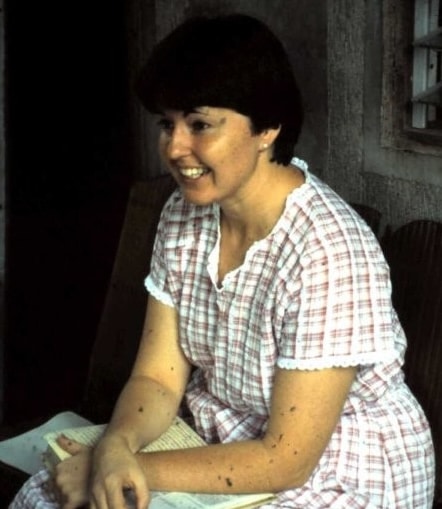
By this time, I had lived in the Philippines for six years and I was wondering if I would ever be able to fit in. From the day I’d set foot in the Philippines, I was determined to adapt and adjust to life in my newly adopted country.
I spent my first two years mostly focused on language and culture learning. Although many languages are spoken throughout the Philippines, I was learning Tagalog, the national language. It was challenging having classes daily with Filipino teachers, though they were encouraging at every step along the way. Trying to understand the complicated grammar stretched my weary brain. I was constantly learning new vocabulary, repeating phrases, and conversing with everyone around me.
I thrived at building relationships and making new friends. You see, everyone wanted to be a “friend” to the Americana, but sometimes I wondered if I’d ever learn to speak Tagalog!
You may ask why the Philippines needed missionaries like me? Isn’t the Philippines known as the only “Christian” country in Southeast Asia? I moved to the Philippines in 1983. At that time, there was indeed a harvest happening within the country. People were starting to get the Bible in their hands. As a missionary to the Philippines, I was able to help Filipinos understand and respond to the Good News of Jesus so that they could find hope and eternal life through Him.
One of my goals and prayers from the beginning was that I could learn the language well enough so that it wouldn’t be a distraction to the message I wanted to communicate. This goal helped motivate me to be relentless in asking the locals to correct my mistakes in speaking. I listened to the sounds and intonation of the language with persistence. I sought out extra help from my teachers in correcting my foreign sounding accent.
I took note of the body language of those around me, and how they gestured with their hands and their mouth. I tried to fit in by eating the food that the locals ate: fish and rice. Everything we bought at the local market was “gossip of the day” for the vendors and shopkeepers who were curious about what we foreigners ate. I even sampled the Filipino delicacy balut, which is a partially incubated duck egg.
I imitated the women by always carrying an open umbrella to protect my skin from the burning sun. After all, in the eyes of many Filipinos, lighter skin was considered more beautiful. Why would anyone want to expose their skin to the sun?
The apostle Paul said in 1 Corinthians 9:22, “I have become all things to all men so that by all possible means I might save some.”
Greg Thompson, pioneer of the Growing Participator Approach (GPA) to language learning, would call these efforts to fit in, “becoming a [Filipino] version of myself.” I eagerly wanted Filipinos to hear the gospel from my lips and not be offended.
So, on that day, as my co-worker and I heard the now fading voices of the children calling out to us, “Kana, Kana!”, we turned and stepped off the road, up onto the hard mud wall of the rice paddy field. We had learned to keep our balance walking along these narrow walkways. One of these led to a small grass hut where a family was waiting to have a Bible study with us. Two of the adult sisters had recently decided to follow Jesus and be baptized.
This was the reason why I came to the Philippines!
I realized I needed to accept the fact that I would always be considered a foreigner, no matter how well I spoke the language or adjusted to Filipino culture and life.
It was worth it not to “fit in” so that Christ’s church could be built in the Philippines!
Perhaps there are people who are new to your neighborhood, workplace, school or community who want to “fit in.” What might you do to help them? This just might be a bridge to reach out to them for the Gospel’s sake.
Pray for opportunities to help them hear and understand the Good News of Jesus!