I sometimes think back to the day when I returned from school, and mamma wasn’t there anymore. I had gone from room to room, looking for her, to no avail.
“Where’s mama, Lola?” Granny looked at me from her cooking preparation, and said nothing. I had called out for my mother and gone to ask my aunties in their home next door in our compound if they had seen her. Then I felt a hand on my shoulder; I turned around, it was grandma.
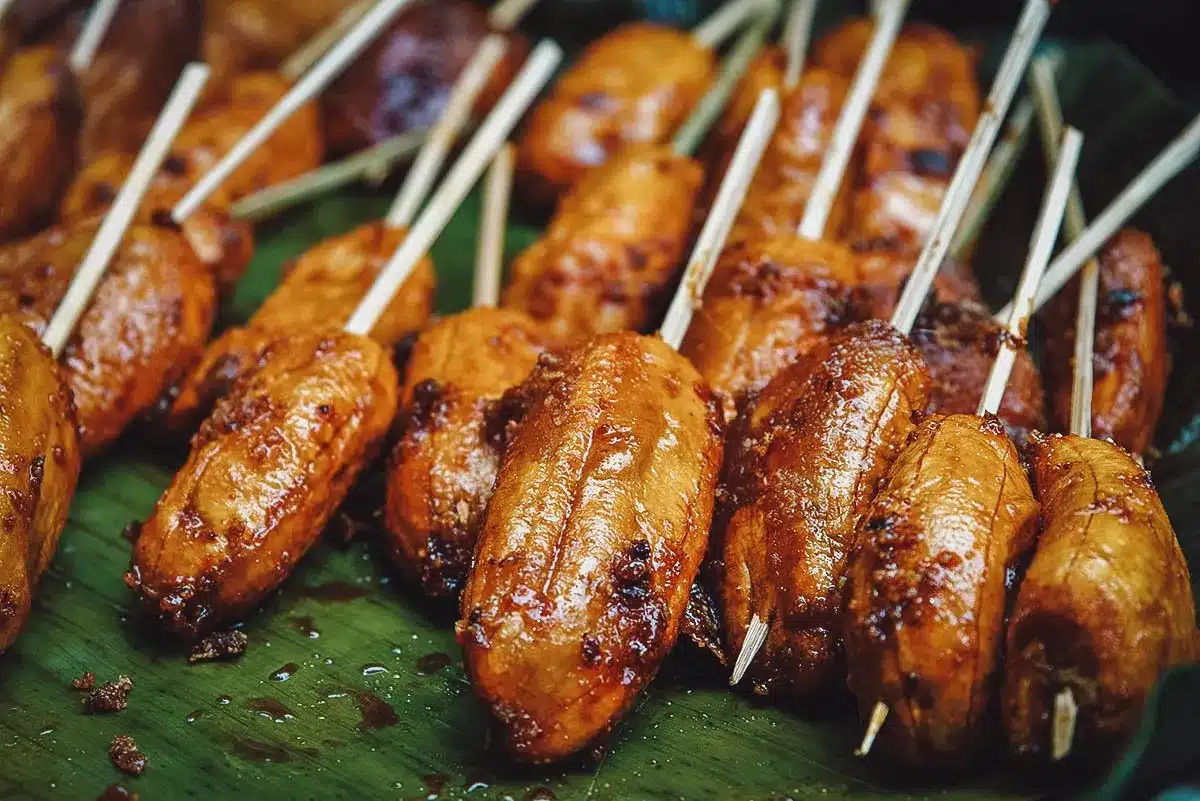
“She’s not here, Samara.” I asked, “Where is she? Selling banana cues in the street? She’s normally back by now.” “No, child, come here.” Grandma turned and led me back to our kitchen, “Your mama has gone. She’s gone to Kuwait”. “What?!” I had stared at her, not wanting to believe it, “She told me she wouldn’t go! No, no…” Grandma couldn’t placate me, I was beside myself with anger and disbelief.
That was nine years ago now. My mother when I was in grade school had asked for my permission to leave to become a ‘katabang’, (a domestic helper) as an Overseas Filipino Worker (OFW). I had refused to let her go. I knew it meant not seeing her for years at a time. But she had gone anyway, after a few months, without even saying goodbye. It had left me so sad and angry. Papa had deserted us two years before that, and our family were under great financial strain. At first, I refused to chat with mama over video messaging when she’d call from Kuwait, but after several months and mama’s pleading, I did begin to talk.
As I grew up, finishing elementary school and graduated through junior high, I came to realise that if it weren’t for mama’s job, we couldn’t afford our school uniforms, our food, our school supplies. And cousin Fatima had it harder: both her parents had died when she was a toddler, and grandma had taken her in; granny was the matriarch and responsible one in our extended family, our pillar. My mama was isolated, sacrificially working hard for another richer family on the other side of the world, we endured long periods of separation to help me and Fatima get through education and pay bills. Granny would receive the money sent back, and use it for us both, but it rarely went far enough when granny also had to support our baby cousin’s expensive milk formula, and feed more mouths in our extended family.
I looked down at my exercise books, and wondered how mother was doing now. We had somewhat reconciled, but after a rocky start to high school, I had dropped out of the community sponsorship program that Fatima and I had joined, because I couldn’t keep up my grades; and honestly, I hadn’t cared much back then. It wasn’t a lot of money anyway each month that they gave us at the community study center. But as I had grown, I recalled the stories that they had shared with us at the values meetings that we had to attend, about our creator God who desired close relationship with mankind, about sin and grace. That had struck me. I had wondered about that, and as I grew in my appreciation for what mama was doing for us overseas, I knew by senior high that Fatima and I had to get back into the scholarship program to get that support again, to soften the blow of the never-ending bills, to be among others who cared about our studies and would be interested in us, and even maybe hear more of those stories about Abraham and the promise of Al Masih.
I had talked with Fatimah, who agreed with me. “Let’s go back to the program, Samara,” she nodded, “at least we can get in a space where we’re encouraged to study, and the money helps.”
“But we left… I mean, we lost our scholarships, we didn’t study hard back then, do you think they’d take us back?” I had said. “Maybe,” Fatima said, “We really want to study hard now, don’t we? We’ve only got one chance at high school, Sam. I want to go to college. I know that your mama doesn’t want for us to be a katabang, like her. She never got to finish school, and she’s working hard for us.” She looked me in the eye, serious. “Okay, let’s beg them to let us back in then, let’s do it together.” I had said. That was over a couple of years ago. I had sensed the relief when they did allow us back into the program, and had sensed Allah helping us through our final years, even enabling us to get into college.
Now I was preparing for mid-year exams, and Fatima and I were both studying for the same degree. We both want to be a professionals, and ease the burden on grandma, who has watched over our family and so many grandkids, and also on mama, who I want to come home soon, for good. I am daring to ask God for his help, since he also answers the prayers of his people in those stories we’ve been hearing at the program center for years. Maybe he’ll hear my prayers, too.
________________
*Samara and Fatima have had their names changed, for security purposes.
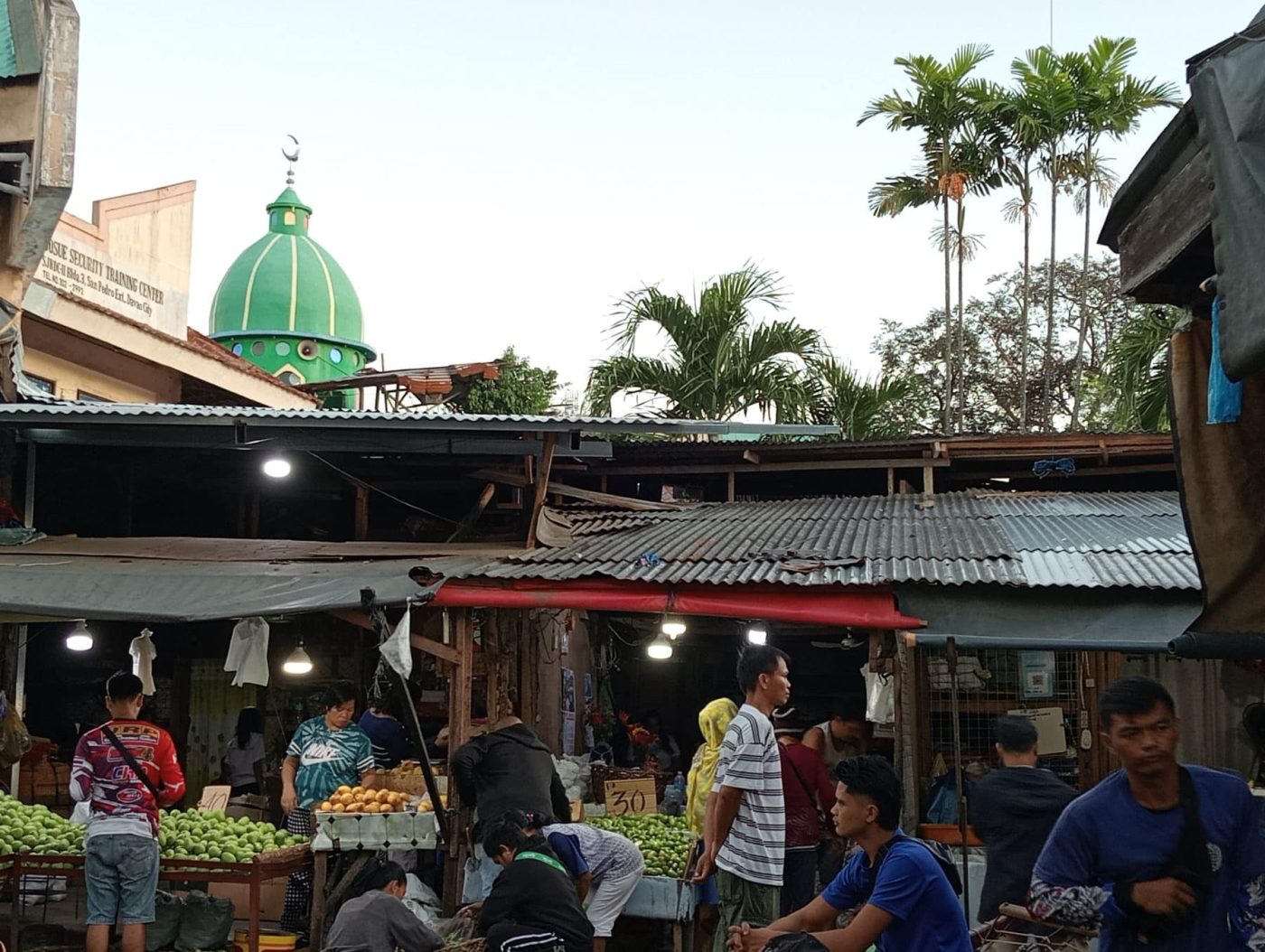
Many Filipinos from lower income families, including ethnic minority families, have at least one direct relative or another member from their extended family compounds, working as Overseas Filipino Workers, typically in roles such as domestic helpers & elder carers (mainly for women). The family separation is challenging and causes social difficulties, but the Filipino kinship system dictates that individual family members have obligation to contribute to the welfare of the family as a whole and that familial responsibility is often extended beyond immediate family members, as families often include extended relatives living in compounds.