Tianji Ma
Born in mainland China, Tianji Ma (馬天濟) relocated to Germany during his formative years. After completing his university education in science, he received an MTh in Evangelical Theology from FTH Giessen, Germany. Since 2019, Tianji has been an integral part of OMF’s Beyond Borders Initiative. He is the inaugural chairman of the Research Foundation for Religion and Culture in Giessen and directs the East Asia Forum within this organization. Tianji is a visiting lecturer at the Lutheran Seminary in Taiwan.
Mission Round Table 20:2 (May-Aug 2025): 38-46
To read articles in this edition, visit this post on Mission Round Table 20:2.
The Lausanne Movement has played a pivotal role in shaping global evangelical mission discourse since its inception in 1974. Each of its four major congresses—Lausanne (1974), Manila (1989), Cape Town (2010), and Seoul (2024)—has produced key statements reflecting the theological and missiological priorities of its time. This article examines the Seoul Statement within the broader trajectory of Lausanne’s missional declarations, highlighting its context, structural composition, and theological emphases. By analyzing both its continuity with previous Lausanne statements and areas of discontinuity, the study assesses how the Seoul Statement responds to contemporary challenges in global mission. This exploration contributes to a first understanding of Lausanne’s evolving mission theology and its implications for the future of evangelical engagement in a polycentric world.
1. Introduction: The Lausanne Movement and its foundational documents
The Lausanne Movement has played a crucial role in shaping contemporary evangelical mission theology since its inception in 1974.[1] Emerging in response to the ecumenical developments of the mid-twentieth century, Lausanne sought to provide a theologically grounded and missionally driven alternative, fostering collaboration among evangelicals worldwide. Over the decades, its congresses have served as defining moments for global mission discourse, producing key documents that continue to influence evangelical engagement with the world.
The movement traces its origins to the nineteenth century, when evangelical awakenings and the expansion of Protestant missions necessitated new forms of interdenominational cooperation.[2] The founding of the Evangelical Alliance in 1846 and subsequent global gatherings, including the Edinburgh Missionary Conference of 1910, marked significant milestones in the pursuit of a united evangelical witness.[3] However, tensions between evangelicals and the emerging ecumenical movement became increasingly pronounced,[4] particularly as the World Council of Churches (WCC) inaugurated the International Missionary Council in 1961, shifting its missiological emphasis toward social transformation. In response, leading figures such as Billy Graham and John Stott envisioned an alternative evangelical platform—one that would reaffirm the centrality of evangelization while addressing contemporary socio-political realities.[5] This vision materialized in the First International Congress on World Evangelization, held in Lausanne, Switzerland, in July 1974, bringing together 2,400 delegates from 150 countries.[6]
The Lausanne Covenant (1974), largely shaped by Stott’s theological vision, became the foundational document of the movement, articulating a holistic approach to mission that integrated evangelism and social responsibility.[7] This emphasis on a biblically grounded yet contextually relevant mission continued in the Manila Manifesto (1989), which reinforced the need for personal and structural transformation. The Cape Town Commitment (2010) further developed these themes, explicitly addressing the challenges of globalization, secularization, and cultural plurality.[8]
In September 2024, Lausanne marked its fiftieth anniversary with the Fourth Congress on World Evangelization, held in Seoul, South Korea. With 5,300 participants from over 200 countries, the event was described as the most globally representative gathering of evangelical leaders in history. Building on the legacy of previous congresses, the Seoul Statement emerged as the defining document of this new phase, reflecting the Movement’s ongoing commitment to a theologically sound and missionally dynamic engagement with the world.
The Seoul Statement must be understood within the broader trajectory of Lausanne Movement’s history. To do so, this article will first examine the theological and missiological contours of the three preceding statements—Lausanne, Manila, and Cape Town Statements—before offering a detailed analysis of the Seoul Statement, its historical context, theological structure, and its continuity and discontinuity in relation to the historical trajectory.
2. Milestones of Lausanne theology: An overview of previous key documents
a. The Lausanne Covenant (1974)
The Lausanne Covenant, structured into fifteen articles, lays the theological and missiological foundation of the Lausanne Movement. A defining feature of the Covenant is its unwavering emphasis on the authority of Scripture (Article 2). It affirms the divine inspiration, truthfulness, and authority of both the Old and New Testaments, asserting that Scripture is without error in all that it affirms. The Lausanne Movement, however, accommodates different views on biblical inerrancy, thereby avoiding theological divisions that have hindered other evangelical efforts.
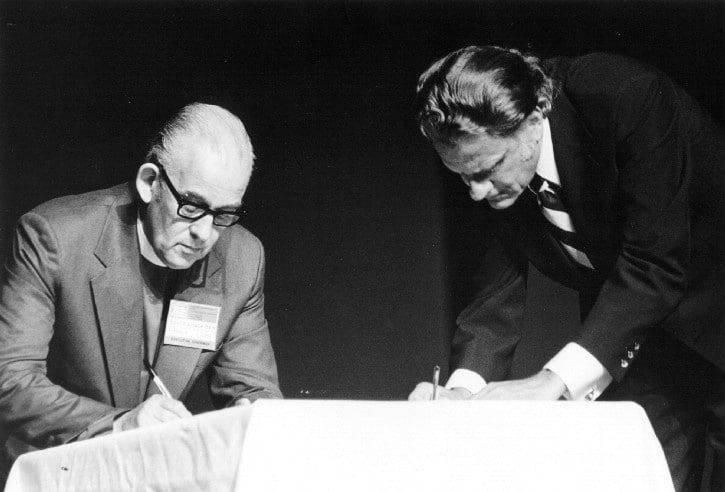
Another central element is the uniqueness and universality of Jesus Christ (Article 3). The Covenant declares that salvation is found in Christ alone and calls for a clear proclamation of the gospel, rejecting both pluralistic and inclusivist perspectives that might suggest alternative paths to salvation. The necessity of explicit faith in Christ is thus a non-negotiable tenet of Lausanne theology.
The Lausanne Covenant is also notable for its recognition of the relationship between evangelism and social responsibility (Article 5). It insists that the church must engage not only in verbal proclamation but also in tangible expressions of Christ’s love, addressing issues of justice and poverty. This balanced integration of evangelism and social action has significantly shaped evangelical mission thought.
The Covenant also stresses the role of the church in mission (Article 6), underscoring that the local church is at the center of God’s cosmic purpose. The phrase “The whole gospel by the whole church to the whole world” emerged from this commitment, reflecting Lausanne’s vision of global evangelization as a collective and unified effort.
Other key themes include the urgency of the evangelistic task (Article 9), the need for contextualized mission approaches (Article 10) that respect cultural diversity, and the importance of spiritual warfare (Article 12), acknowledging that evangelization occurs in a spiritual battle against the forces of darkness. Additionally, the Covenant affirms the power of the Holy Spirit (Article 14) in mission, emphasizing that evangelism is ineffective without the Spirit’s guidance and empowerment. The document concludes with an eschatological outlook (Article 15), affirming that the church’s mission takes place in anticipation of Christ’s return.
The Lausanne Covenant remains one of the most influential evangelical documents and is widely adopted as a statement of faith by churches, seminaries, and mission organizations. Among its strengths, the document has been praised for its theological depth and quality, its posture of humility and need for repentance, and the contributions of theologians from the Majority World.[9]
b. The Manila Manifesto (1989)
Fifteen years after the Lausanne Covenant, the Manila Manifesto was drafted to reaffirm and expand upon the original vision of Lausanne. While it does not replace the Covenant, it introduces additional theological and missiological reflections that respond to emerging challenges.
The Manifesto is structured into twenty-one affirmations followed by twelve key articles that reiterate the biblical foundation of mission while deepening the engagement with cultural and social realities.
One of the most significant developments in the Manifesto is its stronger Christological emphasis (Affirmation 5). While the Lausanne Covenant affirms Christ’s uniqueness, the Manifesto goes further by explicitly stating that “the Jesus of history is the same as the Christ of glory.” This affirmation serves as a safeguard against interpretations that might separate the historical Jesus from the theological Christ, a concern that had gained prominence in academic and ecumenical debates during the 1980s.
Another major addition is the call for deeper societal engagement (Affirmation 18). The Manifesto urges Christians to invest more time in understanding societal structures, values, and needs as a basis for missionary strategy. This emphasis on sociocultural analysis represents what some scholars call the cultural turn in Lausanne theology, marking a shift toward a more holistic and contextually aware approach to mission.[10]
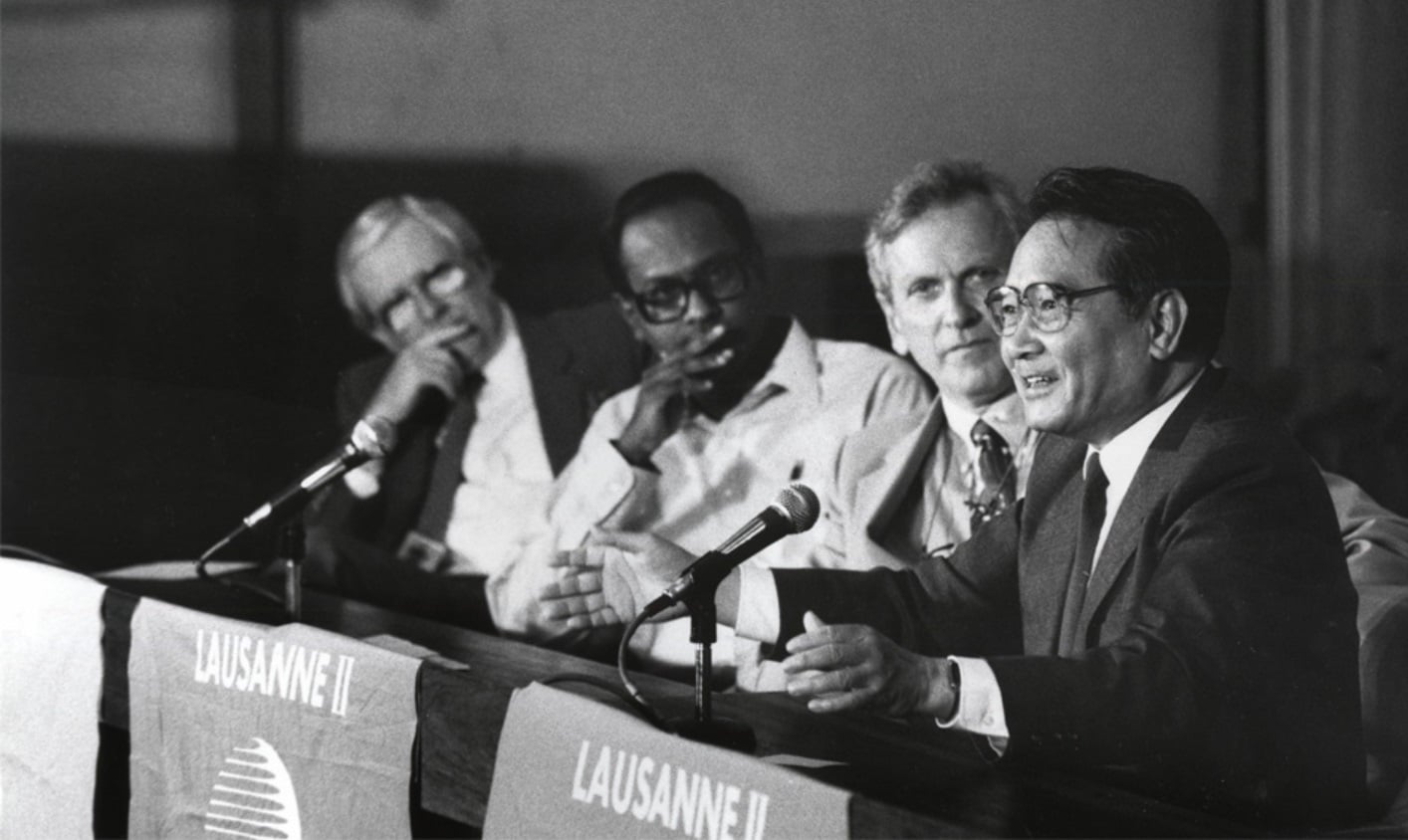
While the Lausanne Covenant already affirmed the relationship between evangelism and social responsibility, the Manila Manifesto further strengthens the call for justice and human dignity (Article 5). It explicitly acknowledges the suffering of marginalized and persecuted communities, urging the church to stand in solidarity with the oppressed. This aligns Lausanne’s mission theology more closely with global concerns such as human rights, economic inequality, and systemic injustice.
Another key addition in the Manifesto is its expanded vision of evangelism (Article 7). It affirms that evangelization must go beyond traditional proclamation methods, recognizing the role of various media, education, and public engagement in spreading the gospel. Additionally, the Manifesto stresses the importance of cooperation in evangelism (Article 8), encouraging partnerships between churches, mission agencies, and parachurch organizations.
By reinforcing and expanding the Lausanne Covenant, the Manila Manifesto solidified the Movement’s theological core while adapting to the evolving global landscape.
c. The Cape Town Commitment (2010)
The Cape Town Commitment, emerging from the Third Lausanne Congress in 2010, represents the most comprehensive and contemporary expression of Lausanne theology. It integrates insights from the previous documents while addressing pressing challenges facing the global church in the twenty-first century.
The document is structured in two major parts:
- A theological confession rooted in the love of God, affirming that Christian mission is ultimately an expression of divine love.
- A call to action, urging believers to engage with the world in ways that embody this love.
One of the most striking aspects of the Cape Town Commitment is its expanded emphasis on creation care (II.B,5). While previous documents focused primarily on evangelization and social justice, Cape Town explicitly affirms environmental stewardship as a gospel issue. This reflects a growing evangelical concern for ecological responsibility, recognizing the impact of climate change and environmental degradation on vulnerable communities.
Another new dimension is a strong critique of prosperity theology (II.E,5). The document warns against distortions of the gospel that promote materialism and consumerism, reaffirming the biblical call to humility, integrity, and simplicity.
The Commitment also addresses religious pluralism and secularism (II.C), recognizing the complexities of mission in an increasingly post-Christian and religiously diverse world. It calls for a renewed emphasis on apologetics and interfaith dialogue while maintaining an uncompromising witness to Christ.
Additionally, the document highlights the role of suffering and persecution in mission (II.F), acknowledging that global Christianity is increasingly marked by opposition and hostility. It calls for a theology of resilience, urging believers to stand firm in faith despite challenges.
Finally, the Cape Town Commitment reframes Lausanne’s theological core around the theme of love (Part I). By structuring the document around the statement “We love because God first loved us” (1 John 4:19), it provides a unifying vision that encompasses both theological conviction and missional practice.
When comparing the three key Lausanne documents, a clear trajectory emerges. The Lausanne Covenant (1974) laid the theological and missiological foundation, trying to establish a broad evangelical consensus on mission. The Manila Manifesto (1989) built upon this foundation by incorporating deeper sociocultural awareness and refining Lausanne’s theological statements. The Cape Town Commitment (2010) further expanded the framework, integrating new concerns such as environmental stewardship, economic justice, and resilience in the face of persecution. Each document complements rather than replaces its predecessor. This ongoing development reflects Lausanne’s dynamic and responsive approach to global mission, demonstrating an enduring commitment to biblical faithfulness and cultural relevance.
Building upon this rich theological heritage, the Seoul Statement emerges as the latest contribution to the Lausanne Movement’s evolving mission theology. It reflects both continuity with previous declarations and a response to contemporary global challenges, necessitating a closer examination of its origins, structure, and theological significance.
3. The Seoul Statement: Context, content, and continuity
a. The road to Seoul: Context and controversies
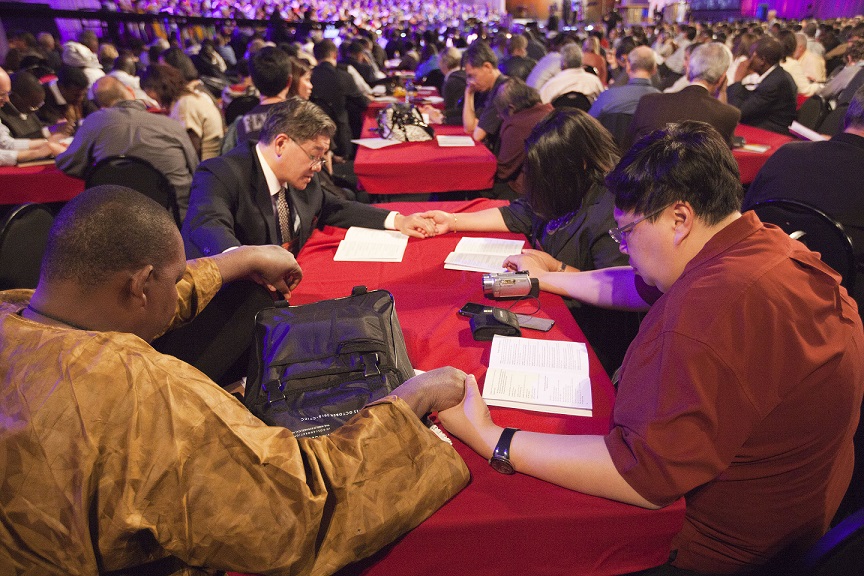
As mentioned above, the Fourth Lausanne Congress on World Evangelization aimed to build upon the rich legacy of its predecessors by addressing contemporary challenges facing the global church. The Seoul Statement commemorates the fiftieth anniversary of the Lausanne Movement’s dedication to global mission. This pivotal document builds upon the foundational work of the Lausanne Covenant (1974), the Manila Manifesto (1989), and the Cape Town Commitment (2010), addressing contemporary challenges and theological gaps to fortify and refine today’s global mission efforts.
Released at the onset of the Congress, the Seoul Statement, a comprehensive 97-point document, serves as both an informative and inspirational tool for the discussions and actions throughout the Congress and the global church.[11] It is designed to be read in conjunction with the “State of the Great Commission” report, ensuring that participants are well-versed in both theological and strategic facets pertinent to the Congress’s theme: “Let the church declare and display Christ together.”
The Theology Working Group (TWG) initiated the development of the Seoul Statement in 2019, aiming to identify and address biblical and theological gaps not sufficiently covered in previous Lausanne documents. Comprising evangelical leaders from diverse global backgrounds—including Latin America, Scandinavia, the Middle East, Africa, and Asia—the TWG sought to produce a biblically grounded and globally relevant document.
However, the process surrounding its formulation and the timing of its release sparked significant controversy among delegates, particularly those from the Majority World. The Seoul Statement was finalized and published on 22 September 2024, the opening day of the Congress, leaving no opportunity for delegates to influence its content.[12] This unilateral approach was perceived by many as undemocratic and dismissive of the participatory ethos that had characterized previous Lausanne gatherings. In many ways, history seems to have repeated itself in the introduction of the Seoul Statement. Much like in Cape Town 2010, the document had at best an indirect connection to the actual theological work of the Congress. Reflecting on the Cape Town Commitment, VolkerGäckle observed: “The fact that it was neither drafted, received, discussed, nor adopted during the Congress does not contribute to giving this document particular weight.”[13] Unfortunately, the same could be said about the Seoul Statement.
Delegates from the Majority World, in particular, expressed frustration over the lack of consultation, feeling that their perspectives and contextual realities were inadequately represented. The leadership of the Congress explained that the pre-conference finalization of the statement was (only) intended to inform and inspire participants’ deliberations throughout the event. However, this rationale did little to assuage concerns, as many felt that the approach undermined the collaborative spirit essential for genuine global partnership in evangelization efforts (keyword: collaboration). In response to participant feedback, the organizers have now invited attendees to submit their suggestions and feedback on the “Seoul Statement” to foster a more inclusive and collaborative dialogue.[14]
The tensions were further exacerbated by a plenary address delivered by Dr. Ruth Padilla DeBorst, the daughter of the theologian René Padilla, on 23 September 2024, focusing on the theme of justice. Drawing from her extensive experience as a theologian and advocate for social justice in Latin America, Dr. Padilla DeBorst highlighted various examples of global injustice, including racial wealth disparities in the United States, the exploitation and abuse of women, environmental degradation resulting from the Global North’s waste disposal in the Global South, and the ongoing Israeli-Palestinian conflict. Her explicit mention of Israel’s military actions in Gaza was particularly polarizing, leading to discomfort and offense among some delegates. Critics argued that her remarks presented a one-sided perspective, lacking nuance and failing to acknowledge the complexities of the situation. In response to the backlash, the Congress leadership issued an official apology, expressing regret for any offense caused by the address. The apology, however, ignited further debate. Some delegates appreciated the conciliatory gesture, while others viewed it as a capitulation that stifled prophetic voices calling the church to confront uncomfortable truths about systemic injustices. The incident underscored the delicate balance the Lausanne Movement must navigate in addressing contentious global issues without alienating segments of its diverse constituency.

The controversies surrounding the Seoul Statement and Dr. Padilla DeBorst’s address echo historical tensions within the Lausanne Movement. At the first Lausanne Congress in 1974, theologian René Padilla delivered a groundbreaking critique that challenged the evangelical community to embrace a holistic understanding of mission—one that integrates both proclamation and social responsibility. His address led to the formulation of an alternative Lausanne Covenant, reflecting a broader vision of evangelization.[15] His speech was called “the speech that shook the world.”[16] Despite the passage of five decades, the movement continues to grapple with the interplay between evangelistic proclamation and the embodiment of the gospel through social action. The Seoul Congress highlighted that while progress has been made, divergent emphases persist. Organizers prioritized evangelism, whereas many delegates from the Majority World advocated for a more integrated approach that equally values social justice and transformation. This ongoing discourse suggests that the Lausanne Movement must continually strive to bridge these perspectives, fostering a mission theology that authentically reflects the multifaceted nature of the gospel in diverse cultural contexts.
The events at the Seoul Congress serve as a poignant reminder of the challenges inherent in leading a global evangelical movement. The formulation and dissemination of guiding documents like the Seoul Statement require a delicate balance between providing clear theological direction and honoring the diverse voices within the global church. Ensuring participatory processes that genuinely engage representatives from all regions is crucial for fostering a sense of ownership and unity. Moreover, addressing complex social and political issues necessitates a thoughtful and nuanced approach, one that acknowledges differing perspectives while remaining rooted in biblical convictions. As the Lausanne Movement moves forward, embracing these challenges with humility and openness will be essential in fulfilling its mission to declare and display Christ together.
b. The architecture of the Seoul Statement: Structure and core themes
The Seoul Statement is structured around seven primary themes, each of which corresponds to a key area of contemporary theological and missional engagement. The document is arranged systematically, with each theme divided into numbered sections to facilitate clarity and ease of reference. This structural approach allows readers to engage with the document in a way that is both comprehensive and accessible, making it an effective resource for theological reflection and practical application. The first theme, The Gospel: The Story We Live and Tell, reaffirms the foundational role of the gospel in Christian identity and mission. Unlike a purely doctrinal exposition, this section presents the gospel as a narrative, tracing its arc from creation through the fall of humanity, the covenant with Abraham, the life and ministry of Jesus Christ, his death and resurrection, and the anticipation of his return. The emphasis on the gospel as a lived reality underscores the necessity of both proclamation and demonstration, highlighting the church’s responsibility to embody the message it proclaims.
The second theme, The Bible: The Holy Scriptures We Read and Obey, asserts the centrality of Scripture as God’s inspired and authoritative word. It calls for renewed commitment to diligent and faithful engagement with the Bible, emphasizing the need for responsible interpretation that is attentive to historical, literary, and canonical contexts. The document acknowledges that biblical interpretation does not occur in a vacuum but is shaped by cultural and historical perspectives. While affirming the Protestant principle of sola Scriptura, the Seoul Statement also recognizes the value of the interpretive tradition of the church, which has provided continuity of faithful reading throughout Christian history. By encouraging local churches to prioritize public reading of Scripture and communal reflection, the document underscores the formative power of the Bible in shaping Christian discipleship.

Building on these theological foundations, the third theme, The Church: The People of God We Love and Build Up, addresses the nature and mission of the church. This section responds to contemporary challenges such as increasing disillusionment with institutional Christianity and the fragmentation of Christian communities. The Statement reaffirms the church as one, holy, catholic, and apostolic body and calls for a renewed understanding of its role as the community through which God’s redemptive work is made visible in the world. The document highlights the importance of corporate worship, the sacraments, and spiritual formation in sustaining the life of the church, while also emphasizing that Christian faith is not an individualistic pursuit but a communal reality. It critiques forms of church that distort the values of Christ and his gospel, cautioning against the rise of consumer-driven, entertainment-based ecclesial models that risk undermining the church’s authentic witness.
The fourth theme, The Human Person: The Image of God Created and Restored, engages directly with contemporary debates on human identity. In contrast to previous Lausanne documents, which focused primarily on social justice and economic inequality, the Seoul Statement gives extensive attention to anthropological and ethical concerns. It affirms the biblical teaching that human beings are created in the image of God, an identity that confers inherent dignity and value on every individual. The document addresses controversial issues such as gender, sexuality, and bioethics, providing a robust theological framework for engaging with these debates. It emphasizes that human identity is not self-defined but given by God, and it critiques modern cultural ideologies that seek to redefine fundamental aspects of human nature. While maintaining a firm commitment to biblical orthodoxy, the Statement also calls for pastoral sensitivity and compassionate engagement with those who struggle with issues of identity and belonging.
The discussion of human identity naturally leads into the fifth theme, Discipleship: Our Calling to Holiness and Mission, which examines what it means to be a follower of Christ in an age of moral and ethical complexity. The Seoul Statement highlights the growing crisis of integrity among Christian leaders and communities, pointing to numerous cases of financial misconduct, sexual abuse, and power struggles that have damaged the credibility of evangelical witness. It calls for a renewed commitment to personal and corporate holiness, arguing that ethical failures within the church hinder the effectiveness of its mission. True discipleship, the Statement argues, is not merely intellectual assent to doctrinal truths but a transformative process that involves obedience to Christ in every aspect of life. The section also underscores the inseparability of discipleship and mission, asserting that those who follow Jesus are called not only to personal spiritual growth but also to active participation in the Great Commission.
One of the most pressing concerns addressed in the Seoul Statement is the reality of global conflict, which forms the focus of the sixth theme, The Family of Nations: The Peoples in Conflicts We See and Serve for Peace. This section builds upon the Cape Town Commitment’s emphasis on reconciliation and justice but moves further in addressing issues of nationalism, ethnocentrism, and political polarization. The document laments the ways in which nationalism has been conflated with Christian identity in various parts of the world, warning that such distortions undermine the church’s universal mission. It calls for Christians to engage actively in peacemaking efforts, not by aligning with partisan political agendas but by embodying the reconciling love of Christ. The Statement urges the church to stand in solidarity with persecuted communities, to advocate for justice in contexts of systemic oppression, and to resist ideologies that seek to divide humanity along ethnic or national lines.
The final theme, Technology: The Accelerating Innovation We Discern and Steward, represents a significant development in Lausanne’s mission theology. Unlike previous statements, which focused primarily on social and cultural issues, the Seoul Statement gives considerable attention to the ethical implications of technological advancements. The document acknowledges both the opportunities and the dangers posed by digital technology, artificial intelligence, and biotechnology, cautioning against the ways in which these innovations can reshape human identity and relationships. It calls for discernment in the use of technology, urging Christians to engage in thoughtful reflection on how technological progress aligns with biblical principles. The Statement also highlights the role of digital media in shaping worldviews, warning that Christians must resist being discipled by secular ideologies propagated through online platforms. Instead, the church is called to leverage technology for the advancement of the gospel while maintaining a critical posture that prioritizes human dignity and ethical responsibility.
c. Continuity and discontinuity: The Seoul Statement in Lausanne’s legacy
The Seoul Statement must be understood in the light of its declared purpose: it does not attempt to be comprehensive, nor does it seek to reiterate the theological themes already addressed in previous Lausanne documents. Instead, it deliberately builds upon the Lausanne Covenant, the Manila Manifesto, and the Cape Town Commitment, complementing them rather than supplanting them. To fully grasp its significance, it must be read alongside the State of the Great Commission report, which provides a broader strategic assessment of contemporary global mission. Nevertheless, the mentioned tensions that have marked Lausanne for the past fifty years—most notably the balance between proclamation (prioritized by the Congress organizers) and the lived demonstration of the gospel (emphasized by many Majority World representatives)—remain unresolved. While previous Lausanne leaders such as John Stott and Christopher Wright sought a mediating position, the younger generation of leaders appears to struggle with maintaining this delicate equilibrium. Consequently, reactions from the Majority World were not long in coming.
A certain ambiguity in communication also characterizes the Seoul Statement. The introductory article describes “evangelism” and “discipleship and pastoral care” as the twin responsibilities of the global church, while in the preamble, these elements are framed as equally significant priorities. Later, paragraph 35 speaks of the two pillars of faithful belief and practice—orthodoxy and orthopraxy. In previous Lausanne documents, the focus was often on two primary missional imperatives: proclamation and social responsibility, including the pursuit of justice. Here, the messaging appears less precise.
This raises the overarching question of how mission is understood. Much has been written about the debate in 1974 over the nature of mission, as well as the holistic vision that has since shaped Lausanne. While these historical discussions need not be reiterated, it is striking that the concept of mission continues to expand. Whereas the Cape Town Commitment incorporated themes such as environmental stewardship (I.7.A), child welfare (II.D.5), and opposition to domestic violence (II.E.3.C), the Seoul Statement further broadens the scope to include issues of human identity—particularly sexual orientation (Section IV), war and peace (Section VI), and the opportunities and risks posed by technological advancements (Section VII). There is no doubt that these issues are of great relevance in today’s world. However, they are primarily ethical rather than missional concerns. Their prominence in a mission statement suggests an ongoing shift toward a missiology that not only proclaims the gospel but also seeks to shape the world, at least in part, according to God’s vision for humanity.
This growing emphasis on ethics within Lausanne is not without precedent. After the Cape Town Congress, Michael Herbst expressed discomfort with the increasing emphasis ethics is given in a mission theology coming from the Lausanne movement.[17] The concern is not that ethical engagement is unwarranted, but rather that mission risks becoming so broadly defined that its evangelistic core is overshadowed. Christopher Wright, writing in The Mission of God, argues that nearly every human need can be seen as a starting point for mission. However, all such engagement must ultimately lead to the point where individuals encounter Christ, are called to repentance, and invited into faith and obedience.[18] The broader Lausanne’s mission mandate becomes and the more extensively it speaks on societal issues, the clearer it must also articulate its primary commitment to evangelism.
Yet, for all the shifts and expansions in focus, Lausanne’s core identity as a movement committed to proclaiming the gospel remains intact. If anything, the common thread uniting Lausanne participants across theological and cultural divides is precisely this shared urgency to make Christ known to all people. This evangelical focus remains deeply embedded within the Seoul Statement. While some have criticized the document for not taking explicit positions on various socio-ethical and political issues, this restraint may in fact be one of its strengths. Unlike the Cape Town Commitment, which was widely seen as shifting Lausanne from theological to ethical concerns, the Seoul Statement resists the temptation to comment on every global crisis. Without neglecting essential ethical dimensions, in my view, it avoids overextending its mandate by positioning itself as a response to every social, ecological, and political challenge. In this sense, the Seoul Statement could be seen as a welcome return to Lausanne’s theological and missional priorities, and it would be desirable for it to remain largely unchanged in its current form.
From the outset, the document makes it clear that the global church’s varied challenges can only be addressed through a renewed commitment to the centrality of the gospel and the faithful reading of Scripture. This emphasis on the gospel as the story we live and tell (Section I) underscores the belief that the identity of the evangelical movement is fundamentally rooted in being a people of the gospel. The Statement makes a strong and explicit reference to Christ’s atoning work (I.12: he died as our representative), affirming that the gospel is not primarily an ethical directive but a theological proclamation of what God has accomplished through Christ’s death and resurrection (I.12-13). From a missiological perspective, this focus reinforces a central Lausanne principle—vital and transformative church and mission movements emerge where the gospel serves as the very DNA of the Christian life, shaping both local congregations and missionary endeavors.
The Seoul Statement also renews an emphasis on the authority of Scripture. In contrast to the Cape Town Commitment, which notably omitted the term “inerrancy”, the Seoul Statement reintroduces this language, affirming that Scripture is “authoritative, unerring, set-apart” (II.18). This marks a return to the Lausanne Covenant’s high view of Scripture, asserting that the denial of biblical authority ultimately weakens the church’s missional effectiveness. The Statement explicitly calls on local churches and missions to devote themselves to the public reading of Scripture and to form faithful Bible readers and listeners, as individuals, groups, and worshiping communities (II.24). This commitment to Scripture reinforces the conviction that churches most effectively bear witness to Christ when they are deeply rooted in the word of God.
The Seoul Statement highlights a pressing challenge for the global church—the lack of effective discipleship for new believers. The preamble laments that many churches have struggled to nurture the faith of millions of first-generation Christians, acknowledging, “We regret that during the last 50 years of evangelistic harvest, the global church has not adequately provided the teaching necessary to help new believers develop a truly biblical worldview” (Preamble). This concern underpins an entire section, Discipleship: Our Calling to Holiness and Mission (V), which seeks to address what it describes as spiritual anemia and immaturity in evangelical churches. For Lausanne’s mission to be fully realized, discipleship must remain inseparable from evangelism. The Statement reinforces that a biblically faithful mission must cultivate not only orthodoxy (right belief) and orthopraxy (right action) but also orthokardia—a rightly ordered heart (IV.35). At a time when church affiliation is increasingly seen as optional, the Statement strongly reaffirms the role of the local church in forming disciples, declaring, “Local churches play a vital role in our formation as disciples …” (V.75).
Beyond its strong theological and missional focus, the Seoul Statement offers nuanced reflections on anthropology, sexual ethics (IV), and the ethical challenges of technological innovation (VII). One of its most significant contributions, however, is its heightened emphasis on ecclesiology, an area that has been somewhat underdeveloped in previous Lausanne documents. Acknowledging this gap, the Statement calls for deeper ecclesiological reflection:
[H]ow we imagine the church matters greatly. We recognize that the doctrine of the church has received little attention during these decades of extraordinary Christian expansion in the world, and there is little consensus about what the church is, its importance in the life of the Christian, and its relevance to our world (IV).
While Lausanne is not expected to formulate a fully developed ecclesiology, this renewed focus on the church’s nature and mission is, from my view, a welcome development. The Statement affirms the church’s dual calling—both as a missionary contact society (IV.43-47) and a counter-cultural contrast society (IV.33-35). Crucially, it warns that the greatest threat to the church is not external opposition but internal compromise that undermines the integrity of its message.
Finally, the Statement directs attention to the challenges of the digital age, recognizing that the emergence of digital spaces has provided Christian believers yet another means to come together, prompting ongoing theological reflection on the nature and form of the local church (IV.41). While Lausanne has often embraced technological opportunities for mission, the theological task ahead will require careful discernment of both the potential and the limitations of digital formats. In this respect, the Seoul Statement marks a crucial step in Lausanne’s ongoing theological reflection and missional engagement in an increasingly complex world.
Conclusion
The Seoul Statement stands as both a continuation of Lausanne’s theological tradition and a response to new challenges facing the global church. While it consciously builds upon the Lausanne Covenant, the Manila Manifesto, and the Cape Town Commitment, it does not seek to replicate them. Instead, it highlights areas that require renewed theological and missiological reflection. One of its key contributions is its reaffirmation of the centrality of the gospel and the authority of Scripture, emphasizing that the mission of the church is rooted in God’s redemptive work rather than ethical activism.
At the same time, the document reflects an ongoing tension within the Movement regarding the relationship between proclamation and social engagement. Its broadened scope, which includes human identity, global conflict, and technology, signals a shift toward a more expansive vision of mission, one that seeks not only to proclaim the gospel but also to shape societies in accordance with biblical principles. This shift has been met with both affirmation and concern, as some fear it may dilute Lausanne’s historical commitment to evangelism.
Nevertheless, the Seoul Statement’s strength lies in its theological clarity—particularly its renewed emphasis on discipleship, ecclesiology, and the role of the church. It resists the temptation to speak into every social and political issue and avoids the equation of mission with ethics that some perceived to have come from The Cape Town Commitment. Instead, it calls the church to deep theological formation while recognizing the pressing realities of the contemporary world.
As the Lausanne Movement moves forward, the Seoul Statement invites the global church into a continued conversation on mission, holding together evangelistic urgency and cultural engagement. If it succeeds in maintaining this balance, it will serve as both a faithful expression of the Movement’s past and a guiding framework for its future.
[1] A concise historical summary of the Lausanne Movement is provided, for example, by Hannes Wiher, “50 Years of the Lausanne Movement,” Evangelical Review of Theology 48, no. 3 (2024).
[2] For a detailed description, see Rose Dowsett, “The Lausanne Movement and the World Evangelical Alliance,” in The Lausanne Movement: A Range of Perspectives, ed. Margunn Serigstad Dahle, Lars Dahle, and Knud Jørgensen, Regnum Edinburgh Centenary Series 22 (Oxford: Regnum, 2014), 399-410, https://www.ocms.ac.uk/wp-content/uploads/2021/01/The_Lausanne_Movement-Final-WMF.pdf (accessed 6 June 2025).
[3] See in particular the following relevant literature: W. Harold Fuller, People of the Mandate: The Story of the World Evangelical Fellowship, Outreach and Identity Series (Carlisle: Pasternoster and Grand Rapids: Baker, 1996); Ian M. Randall and David Hilborn, One Body in Christ: The History and Significance of the Evangelical Alliance (Carlisle: Paternoster, 2001); Brian Stanley, The World Missionary Conference, Edinburgh 1910, Studies in the History of Christian Missions (Grand Rapids: Eerdmans, 2009).
[4] It is worth noting that no evangelical mission was represented in the process that led to the establishment of the IMC. According to Matthey, this absence marked the first rupture between evangelicals and ecumenists in the twentieth century. See Jacques Matthey, “Édimbourg 1910 et Son Approche de La Relation Entre Mission et Unité,” Histoire et Missions Chrétiennes 13 (2010): 89. Consider also David A. Kerr and Kenneth R. Ross, Edinburgh 2010: Mission Then and Now (Oxford: Regnum, 2009), 237–61; Klaus Fiedler, “Edinburgh 2010 and the Evangelicals,” Evangelical Review of Theology 34, no. 4 (2010): 332–34.
[5] See Billy Graham, “Why Lausanne?,” in Peter Beyerhause and International Congress on World Evangelization (Lausanne), Alle Welt Soll Sein Wort Hören: Lausanner Kongress Für Weltevangelisation 1974 (Hänssler: Neuhausen-Stuttgart, 1974).
[6] Graham, “Why Lausanne?,” 35–38.
[7] Cf. Pavel Černý, “Editorial 2: John Stott (1921-2011) – Radical Disciple of Christ: On the Centenary of His Birth and the Tenth Anniversary of His Death,” European Journal of Theology 30, no. 1 (2021).
[8] All official documents of the Lausanne Movement can be found at https://www.lausanne.org and will not be cited separately in the following discussion: Lausanne Movement, “The Lausanne Covenant,” https://lausanne.org/statement/lausanne-covenant; Lausanne Movement, “The Manila Manifesto,”, https://lausanne.org/statement/the-manila-manifesto; Lausanne Movement, “The Cape Town Commitment,” https://lausanne.org/statement/ctcommitment; Lausanne Movement, “The Seoul Statement,” https://lausanne.org/statement/the-seoul-statement. Additionally, the proceedings of Lausanne consultations are documented in the so-called Lausanne Occasional Papers (LOP), https://lausanne.org/occasional-papers (all accessed 6 June 2025).
[9] Christopher Wright, for instance, highly values the Lausanne Covenant, recognizing its role in shaping a comprehensive understanding of mission. He highlights how it underscores both the parallel importance of proclaiming the gospel and social action, the necessity of culturally sensitive mission training, and its reflection of the integral dimension of biblical teaching, ultimately uniting evangelicals around shared convictions and faith in mission. Christopher Wright, “Loving God, Serving the World,” Christianity Today 9 (October 2010): 15, cited from Wiher, “50 Years of the Lausanne Movement,” 202.
[10] See, for example, Friedemann Walldorf, “Der ‘Cultural Turn’ und der Aufbruch der Evangelikalen Missionswissenschaft in den USA in den 1960er bis 1980er Jahren: Historische und Theologische Perspektiven,” European Journal of Theology 25, no. 1 (2016).
[11] The self-understanding of the Seoul Statement is articulated primarily in an introductory article on the Lausanne Movement’s website: Michael Oh, David Bennett, and Ivor Poobalan, “Introducing the Seoul Statement,” Lausanne Movement, last modified 22 September 2024, https://lausanne.org/about/blog/introducing-the-seoul-statement (accessed 6 June 2025).
[12] Parallel zu 2010: Im Blick auf die Kapstadt-Verpflichtung hat Volker Gäckle formuliert: „Die Nichterarbeitung, Nichtaufnahme, Nichtdiskussion und Nichtverabschiedung während des Kongresses tragen nicht dazu bei, diesem Dokument ein besonderes Gewicht zu geben. „17 Ähnliches wäre in dieser Hinsicht (leider) über das SST zu sagen.
[13] Volker Gäckle, “Die Kapstadt-Verpflichtung: Eine kritische Würdigung,” in Winterhoff; Herbst; Harder, Von Lausanne Nach Kapstadt: Der Dritte Kongress Für Weltevangelisation, 209.
[14] According to current information, a revision remains a possibility, though no specific plans have been announced at this time.
[15] See, for example, Henning Wrogemann, Missionstheologien Der Gegenwart: Globale Entwicklungen, Kontextuelle Profile Und Ökumenische Herausforderungen (Gütersloh: Gütersloher Verlagshaus, 2013), 130–38; Hannes Wiher, Holistic Mission: An Historical and Theological Study of Its Development, 1966-2011, WEA World of Theology Series 25 (Bonn: VKW, 2022), 26–28; Samuel Escobar, “Evangelisation Und Die Suche Des Menschen Nach Freiheit, Gerechtigkeit Und Erfüllung,” in Beyerhaus, Alle Welt Soll Sein Wort Hören: Lausanner Kongress Für Weltevangelisation 1974; C. R. Padilla, “Evangelisation Und Die Welt,” in Beyerhause, Alle Welt Soll Sein Wort Hören.
[16] Lausanne Movement, “The Late René Padilla and the Speech that Shook the World,” 28 Apr 2021,
https://lausanne.org/best-of-lausanne/the-late-rene-padilla-and-the-speech-that-shook-the-world (accessed 10 June 2025).
[17] Michael Herbst, “Von Lausanne nach Kapstadt: Der 3. Kongress für Weltevangelisation in Kapstadt 2010 im Kontext der “Lausanner” Geschichte und Theologie,” in Winterhoff; Herbst; Harder, Von Lausanne Nach Kapstadt: Der Dritte Kongress Für Weltevangelisation, 37. See also Gäckle, “Die Kapstadt-Verpflichtung: Eine kritische Würdigung,” 222–23.
[18] Christopher J. H. Wright, The Mission of God: Unlocking the Bible’s Grand Narrative (Downers Grove: IVP Academic, 2006), 319.