Reviewed by Bekah Newell Farber
Mission Round Table 20:1 (Jan-Apr 2025): 52
To read articles in this edition, visit this post on Mission Round Table 20:1
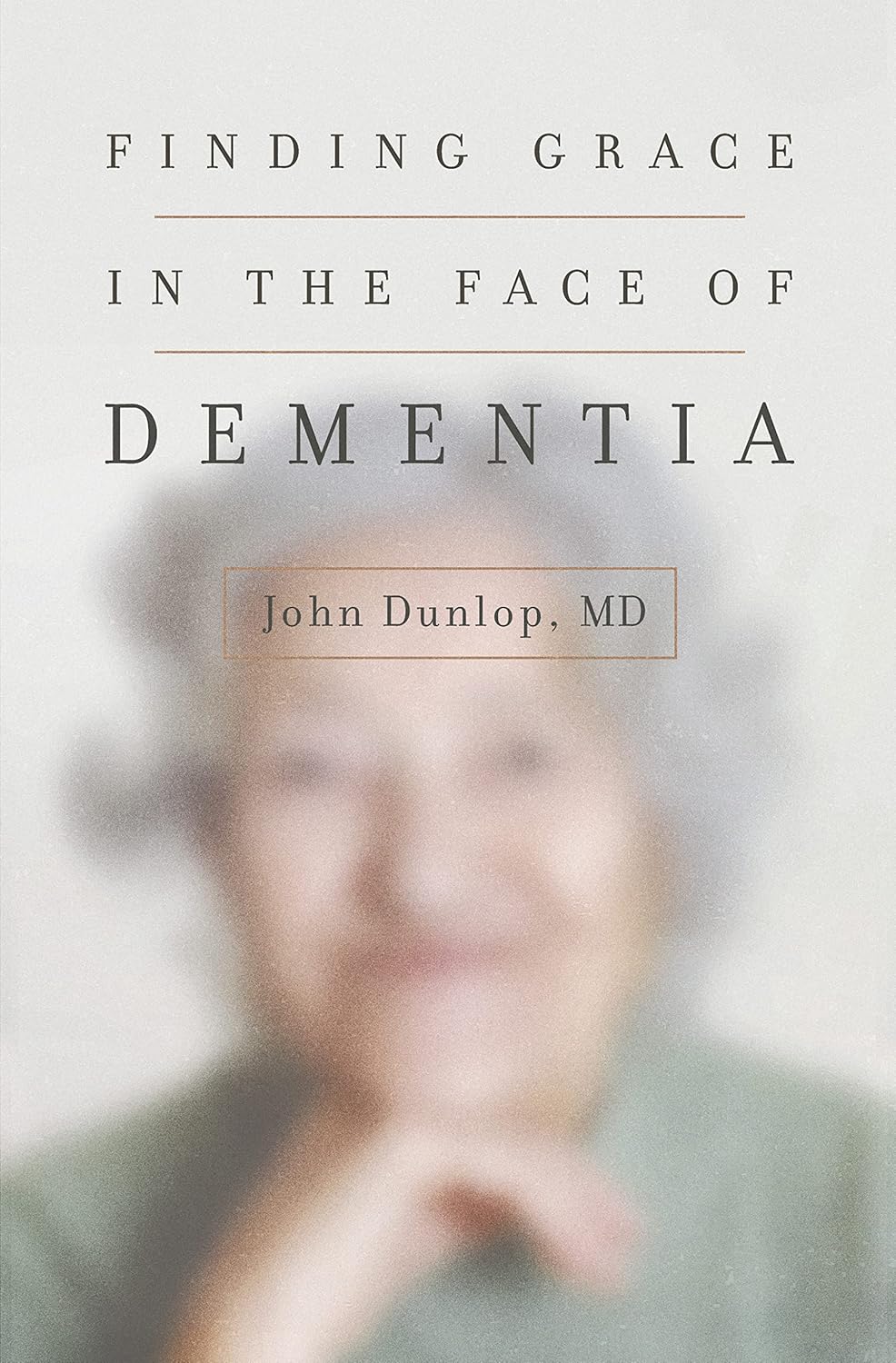
Through a friend’s recommendation, God brought this book to me at the time I needed it most—when I was filled with feelings of grief, fear, and helplessness regarding my mother’s Alzheimer’s. Finding Grace in the Face of Dementia was one of the most eye-opening and helpful books that I read in 2024. This book, both wonderfully theological and intensely practical, helped me grow in my understanding of dementia and filled me with courage for the journey ahead.
But what is a book about dementia doing in a missions forum? As the author explains, because of the life-prolonging technologies and healthier lifestyles we now have, in the future, “dementia will become more and more of a problem for society as a whole but also for the church of Jesus Christ, which will need to assume a greater role in the care of those who suffer from it” (16). If churches respond to those with dementia with loving care, the communities around will take notice, as they recognize God’s love at work. Dementia is, indeed, an important topic for missions workers in today’s world to consider, if not for personal reasons, then ministerial ones, as it is likely that we will one day either have dementia, care for someone with it, minister to someone with it, or minister to a caregiver.
In this book, John Dunlop (a long-time geriatrician who holds a master’s degree in bioethics from Trinity International University) explores several key questions:
• Do we view people with dementia as whole persons, or does their personhood diminish with their cognitive ability?
• How can a good and powerful God allow such a tragedy? Is dementia meaningless, and if not, what are God’s purposes?
• What is it like to experience dementia?
• What strategies can allow us to honor God as we navigate the challenges of dementia?
Although Dunlop is clearly a man of intelligence and expertise, he writes in a friendly style, weaving true stories throughout the book. Dunlop first explores dementia in the context of the Bible’s overall storyline (creation, fall, redemption, and future hope). Next, he gives some background information to help readers understand what it must be like to experience dementia. Then come several chapters focused on caregivers: the experience of caregiving, help for caregivers, how we can honor God through dementia, and respecting the dignity of those with dementia while meeting their needs. Finally, he closes with suggestions of what the church can do, as well as addressing practical end-of-life issues.
Dunlop’s stated purpose in writing Finding Grace in the Face of Dementia is “to provide a theological lens through which we can view dementia and then give a number of practical ways in which it can be applied” (19). He does an excellent job of fulfilling this purpose, especially for the “everyday” reader.
I found the chapter “How Can We Honor God through Dementia?” simultaneously convicting (personally) and wonderfully affirming (about my mother’s inherent worth, despite her decreased abilities). The scripturally based principles outlined here can be applied to how we view and treat people with any perceived (on our part) “disability.” For example: “How much does God value our intellect? The answer is—not as much as we do” (104).
I wept as I read “How Does it Feel to Have Dementia?” (Emotions listed included alienated, apathetic, bored, depressed, dominated, embarrassed, fearful, frustrated, ignored…)
“End-of-Life Issues” was sobering, but I’m thankful for the guide it provides in planning ahead, before certain issues take one by surprise.
“What Should the Church Do?” lit a fire in me, and I found myself wishing that somehow every pastor/elder could be persuaded to read this chapter, as, among other things, it exhorts churches to “teach what it means to be fully human” (147).
My father spent his entire adult life in missions, working in a remote area of Indonesia for fifteen years, then traveling throughout Asia as a missions administrator, then visiting nearly every continent as a missions leader and board member for various international organizations. He’s a world traveler, and for his final assignment from the Lord, he is spending most of his days in a small home in a small town, keeping my mother company as her confusion and anxiety worsen. From world traveler to dementia caregiver, God will give him (and maybe eventually me) the grace to do this, but we are both thankful for the compassionate insights and meaning shared with us through John Dunlop’s wonderful book, which re-oriented us and set us on a path of compassionate and informed care for my mom.