OMF Philippines partners with Langham Partnership, for the training and equipping of grassroots pastors and church leaders, including in regional areas, who may not have had the chance to study in Bible colleges or seminaries. Iljo de Keijzer is Langham’s Preaching Movement Coordinator in the Philippines.
Hi Iljo, how long have you been serving with Langham Preaching? I invited Langham Preaching to come to the Philippines in 2017, and we started this ministry here in 2018.
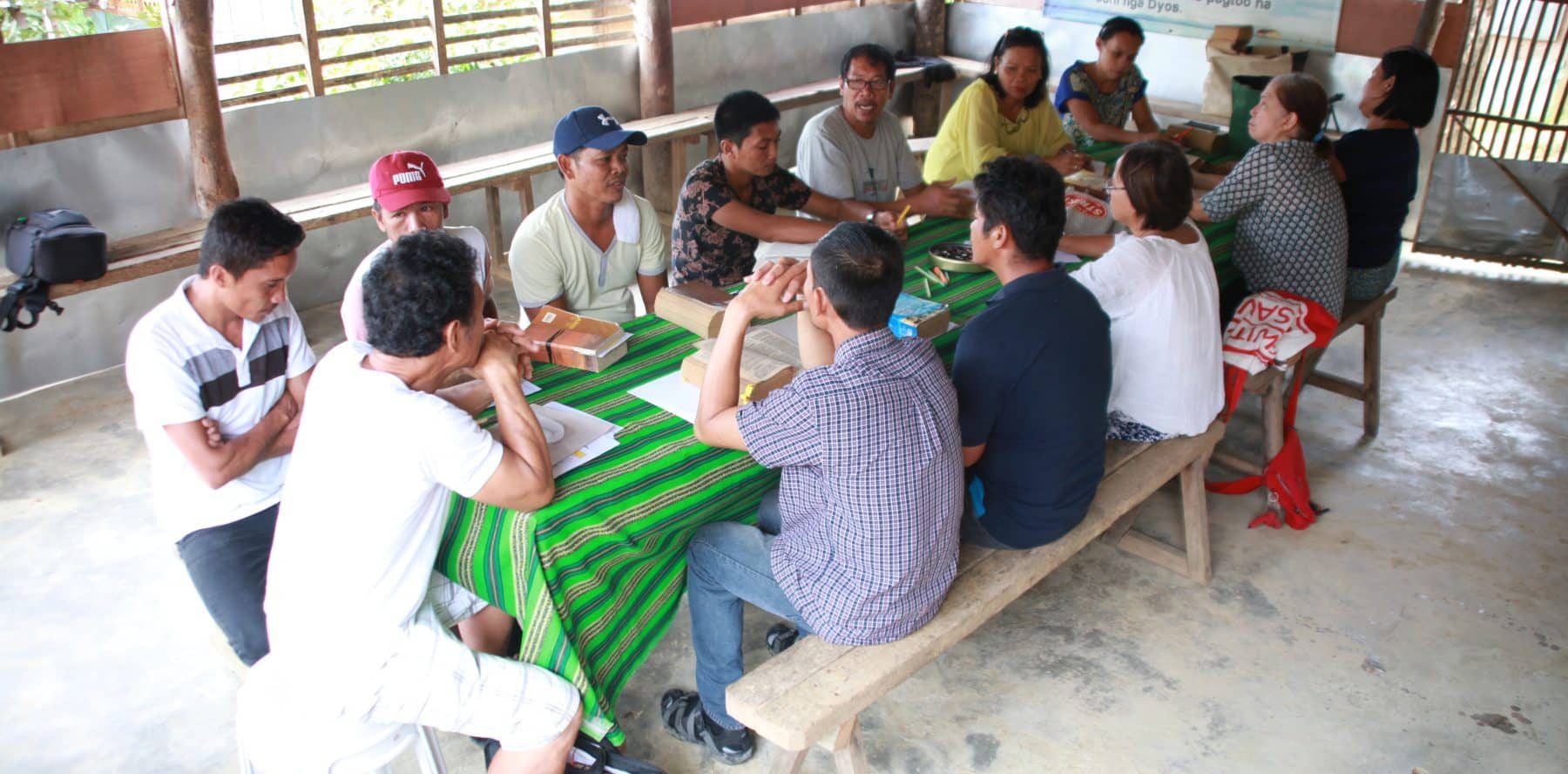
Why is the Langham Preaching course needed in the Philippines? It’s common here that many pastors give long introductions to sermons before even coming to the text of the Bible; there are also many stories in sermons, which have no connection to the biblical text. Langham Preaching’s vision is to work in partnership with local leaders and churches, to nurture indigenous movements of biblical preaching, by providing practical training. The courses are often run as 5-day intensive interactive workshops or over a set of weekends, with daily worship & song, interactive teaching, personal work (observing the text), group work (message of the text), feedback (sharing discoveries), model sermons, and evaluating sermons together.
Who is the Langham Preaching course for? We welcome church leaders both ordained and lay, involved in teaching capacity, from any denomination. We recognise that many church leaders, especially from regional areas, have not had the opportunity to study at seminaries or the privilege of receiving much mentoring in biblical teaching preparation; some have not been able to finish high school, let alone achieved college or university degrees.
Do seminary-trained pastors and leaders also benefit from the courses? Yes, for sure. We’ve had experienced pastors who’ve been through formal seminaries, done our courses and shared with us how they’ve benefited and grown in their own confidence to prepare and preach.
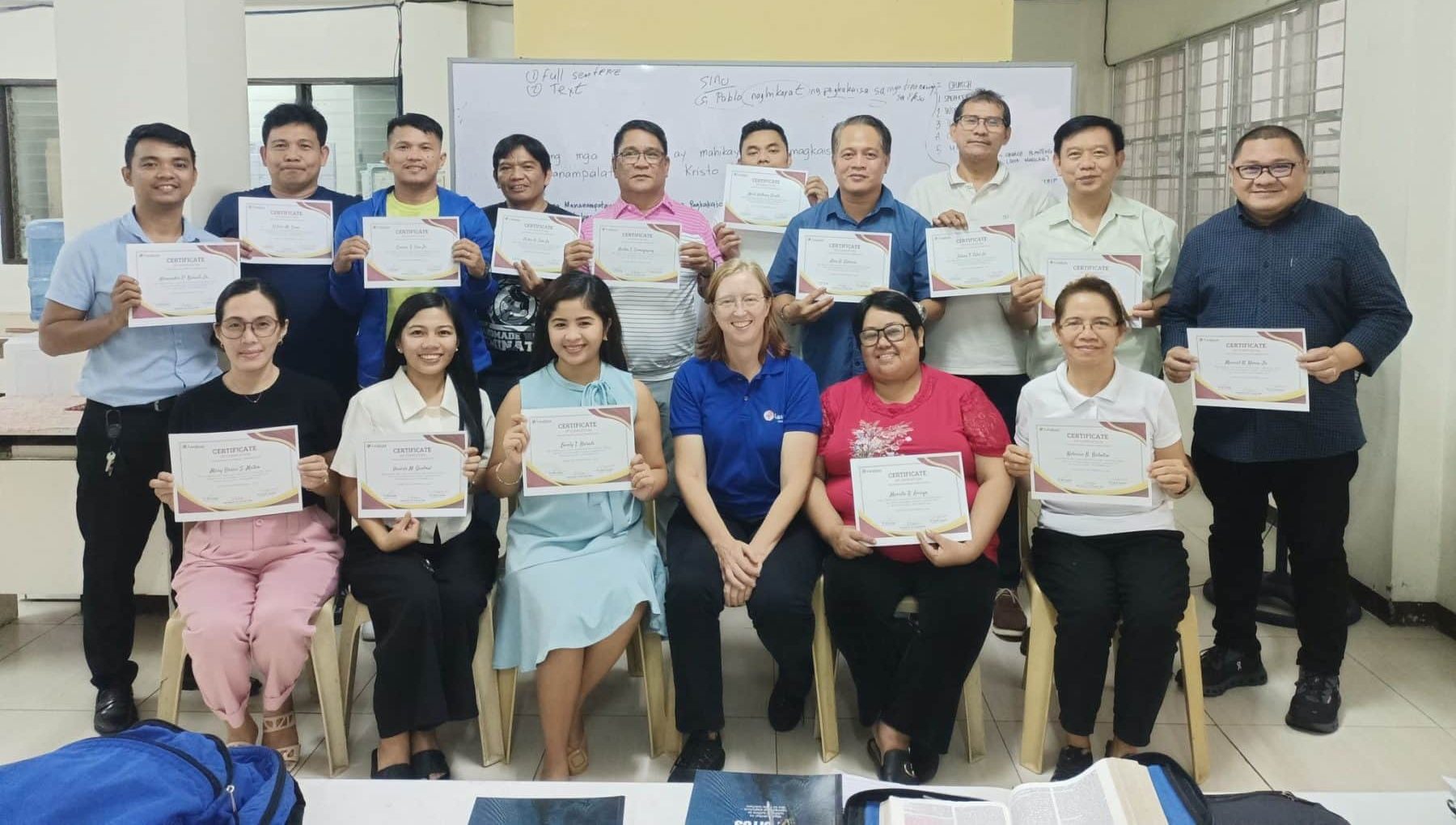
What are the differences between Levels 1, 2 & 3? Level 1 Langham is about the basics of hermeneutics (principles of biblical interpretation and exegesis) and integrating that with homiletics (art of preaching); Level 2 focusses on different Old Testament genres and how to preach them and deepen some training from Level 1. And Level 3 has an emphasis on the New Testament again. We address topics such as, what is biblical preaching, how to study and understand a Bible passage, what is the big story of the Bible, how to get from a text to a sermon, making the connection (illustrations and application), as well as the character of the preacher.
Why do you have Preaching Clubs after the intensive courses? A seminar or short course is not enough to learn a skill. To learn to preach faithful, relevant and clear sermons takes time to develop, so the preaching clubs aim to help alumni internalise what they’ve learned. So after each level, alumni are encouraged to form localised preaching clubs to continue to meet weekly or monthly, for ongoing critiquing of each others’ sermons and mutual encouragement.
What’s been a highlight for you serving with Langham so far, how have you seen God working? What gives me joy is hearing pastors preach and blessing the church more. To see pastors become more confident to preach, and spending more time in preparing well. It’s great to see church leaders grow and get excited again about this important weekly task.
What some students have been saying in 2024/10:
“I’ve been preaching in my house church, but I was scared to accept invitations to preach in other churches. Now, I find it easier to accept invitations, though I still need to improve my process of preparation and take more time to makes sense of observations from the text…”
“I’m not a preacher, but what I’ve learned through Langham helps me to tell stories to the kids [in my ministry] much more easily and more effectively.”
“The focused aims really helped me to preach better. I’ve also learned to have more clear applications, thanks to Langham.”
“Before, I was so focused on the title of a sermon, even forcing a title on the text, but now my aim is more helpful, to let the text [of Scripture] speak.”